

“People never choose us as the focus group until the disability becomes associated with them.”
- User who has been blind since birth

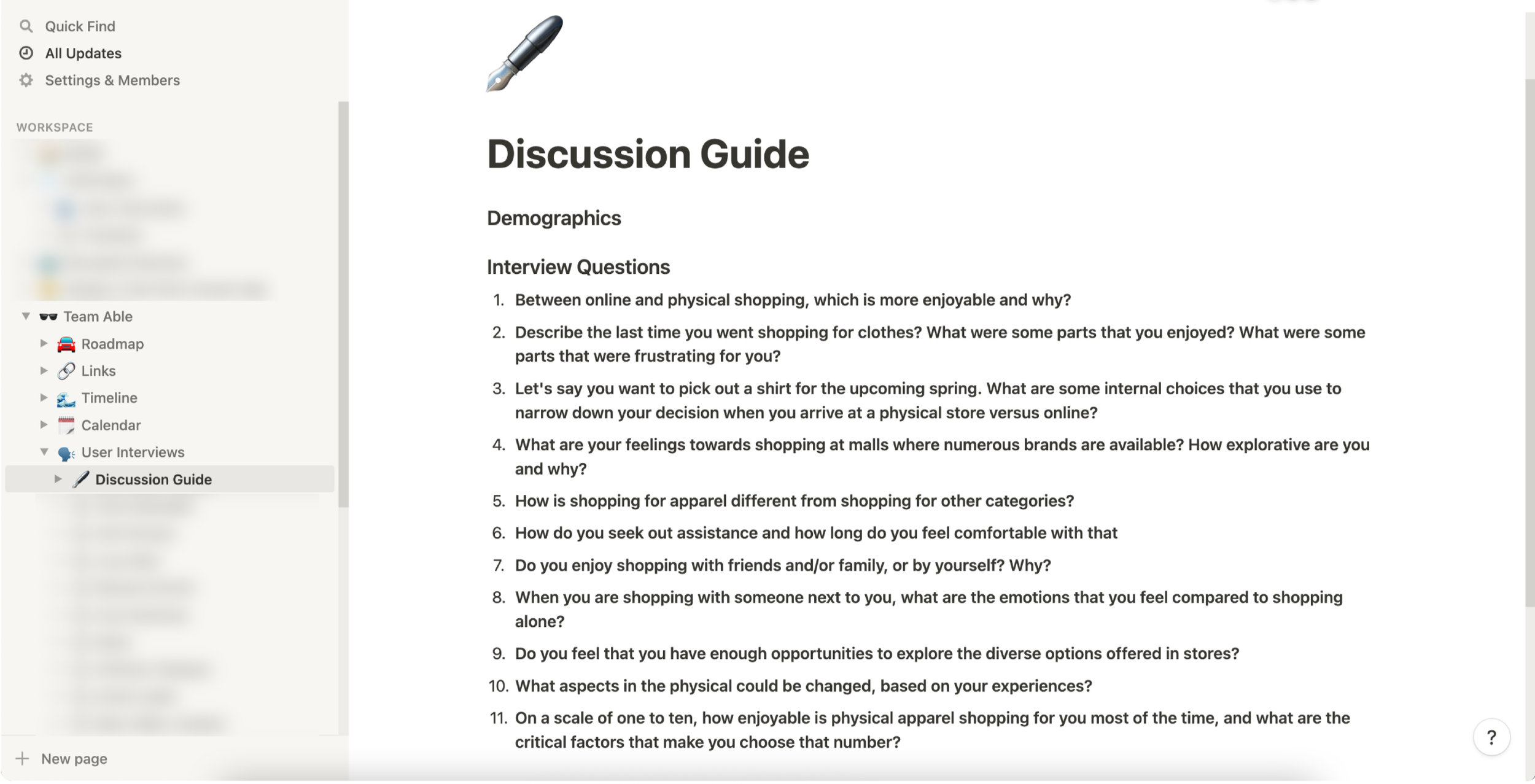
Learning users’ existing methodologies and taking inspiration
So why is today’s shopping experience still inaccessible?
Anyone who enters a store to buy essential items like clothing, regardless of disability, shares the same basic needs. Yet most retail environments are still designed primarily for sighted shoppers. This is not because people who are blind or have low vision are few in number. Rather, the barriers they face often discourage frequent visits and make their concerns less visible. Our personal experiences shape how deeply we empathize with the challenges others face. We all have blind spots and biases influenced by what we have not personally experienced. Through this project, I realized how much I rely on visual cues and how that dependence can limit my perspective, and that true empathy for users does not come from theory or training; it comes from direct connection and experience.
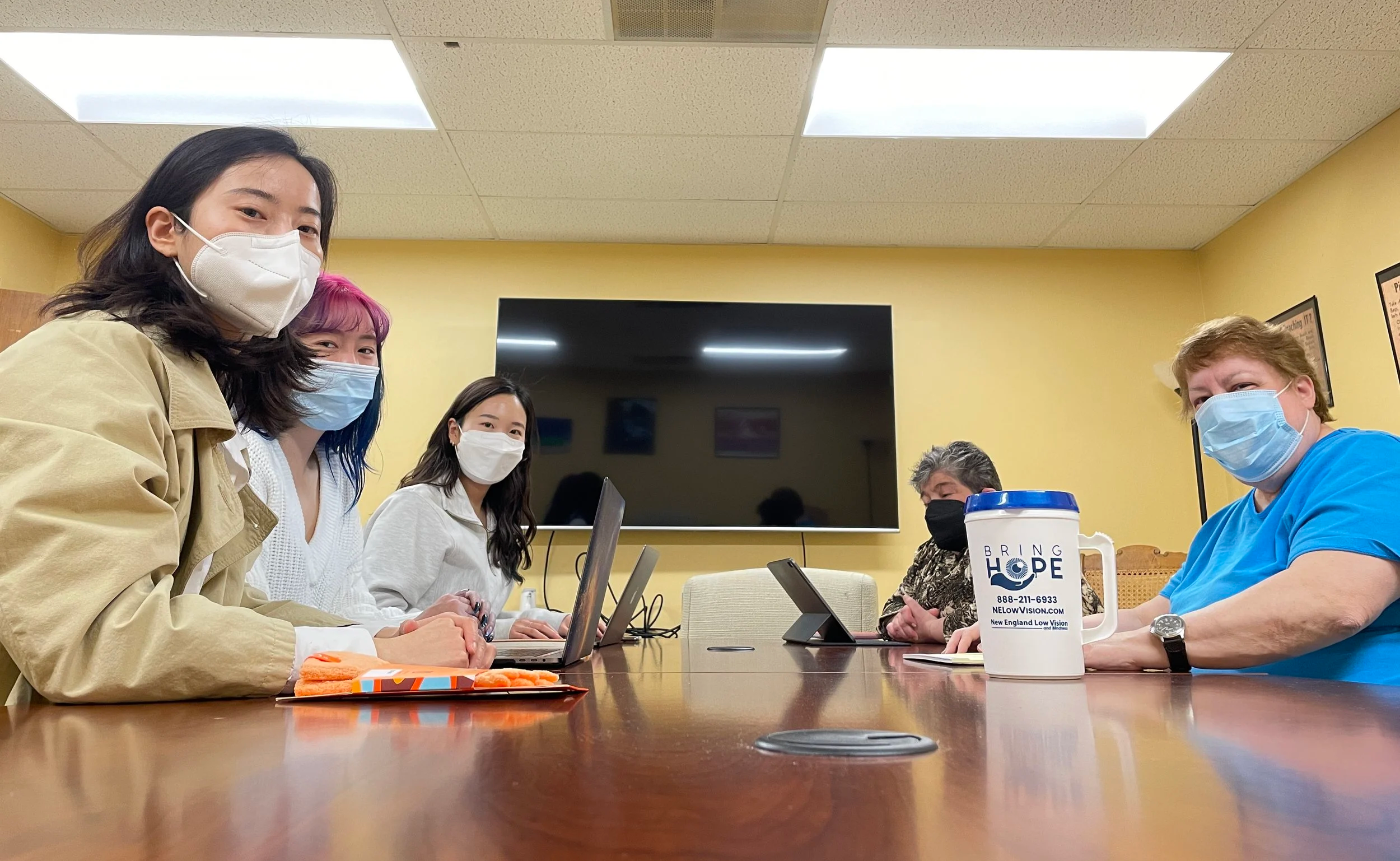
To avoid assuming anything on behalf of our users, we took the next best action: to work closely with the direct user group, hand in hand, throughout every step of our journey, which greatly expanded our mental models and values as user experience designers.
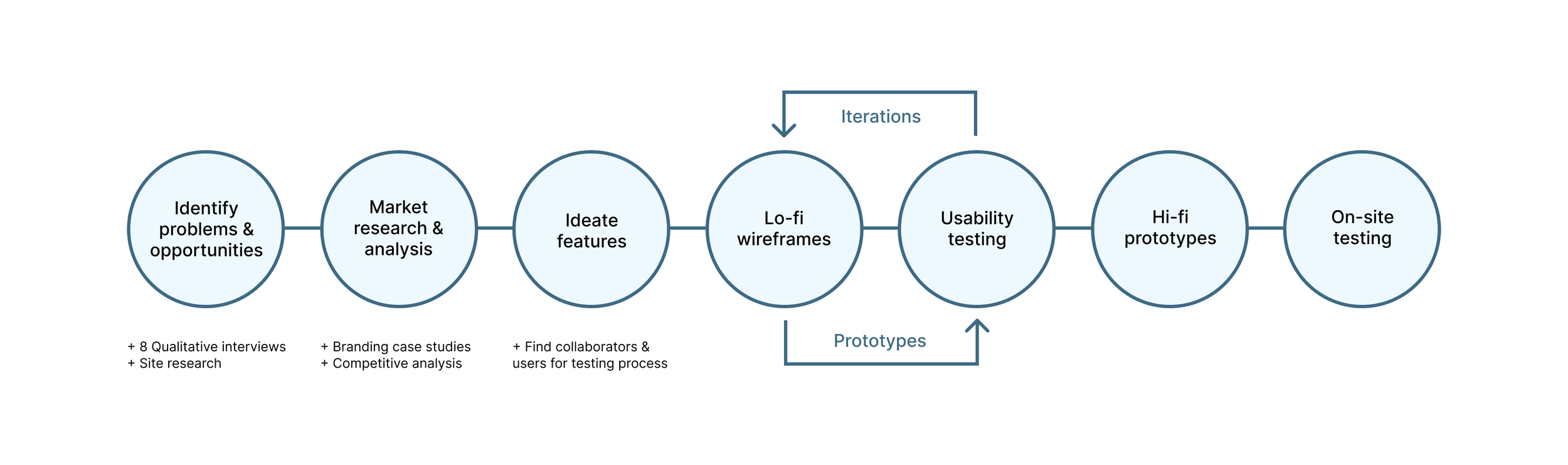
Project process (Feb - Apr 2022)
Direct partnership with INSIGHT Vision Rehab Center & screen reader users
However….
Cases of blindness are projected to increase from 36 million to 115 million by 2050.
-Vision Loss Expert Group, 2023
The problem
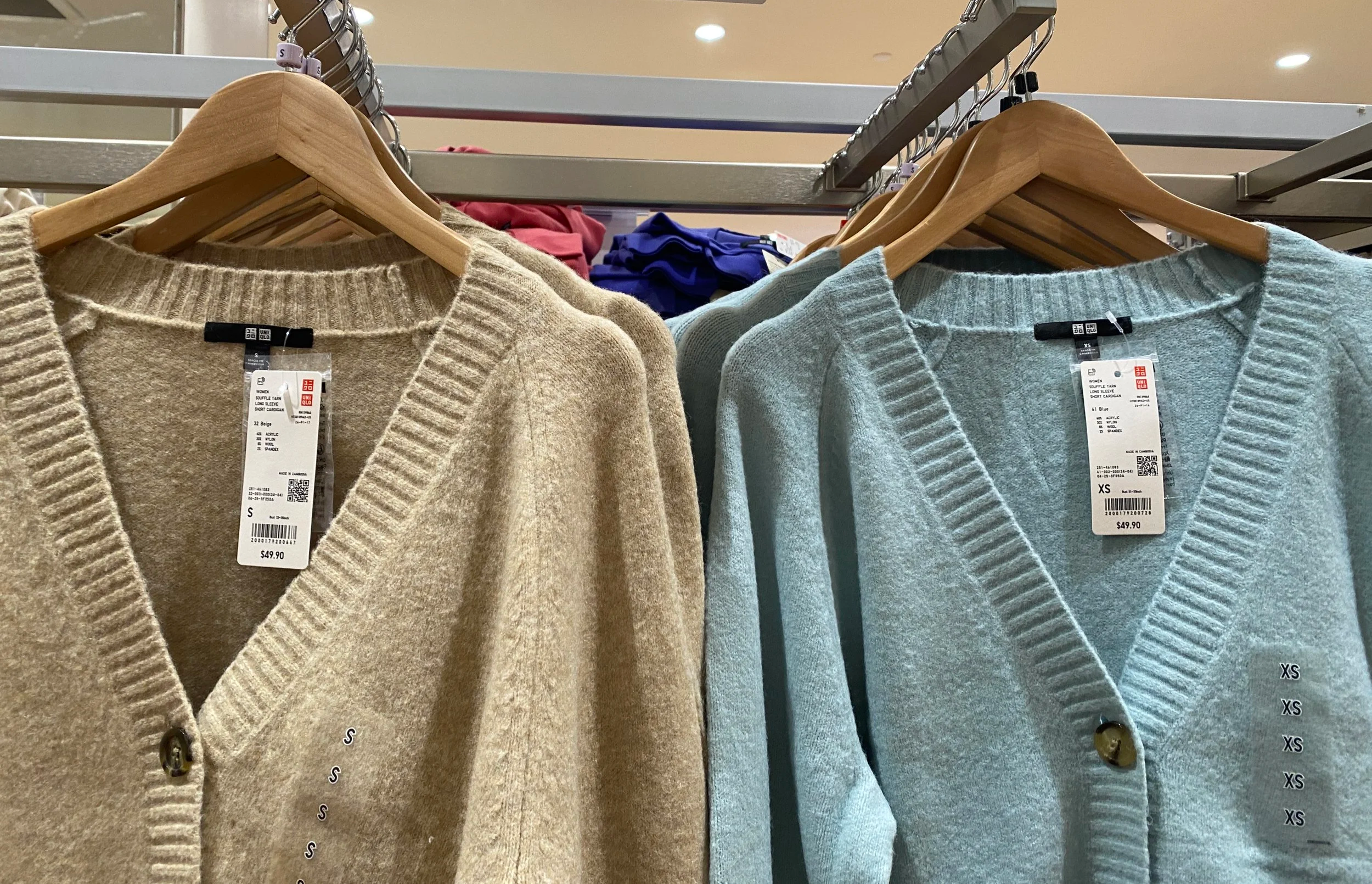
Shopping for clothes is a visual process—browsing colors, checking sizes, comparing prices. But for people who are blind or have low vision, even finding the entrance or reading a price tag can be a challenge. Most retail spaces are still designed for sighted users, limiting independence and discouraging participation.
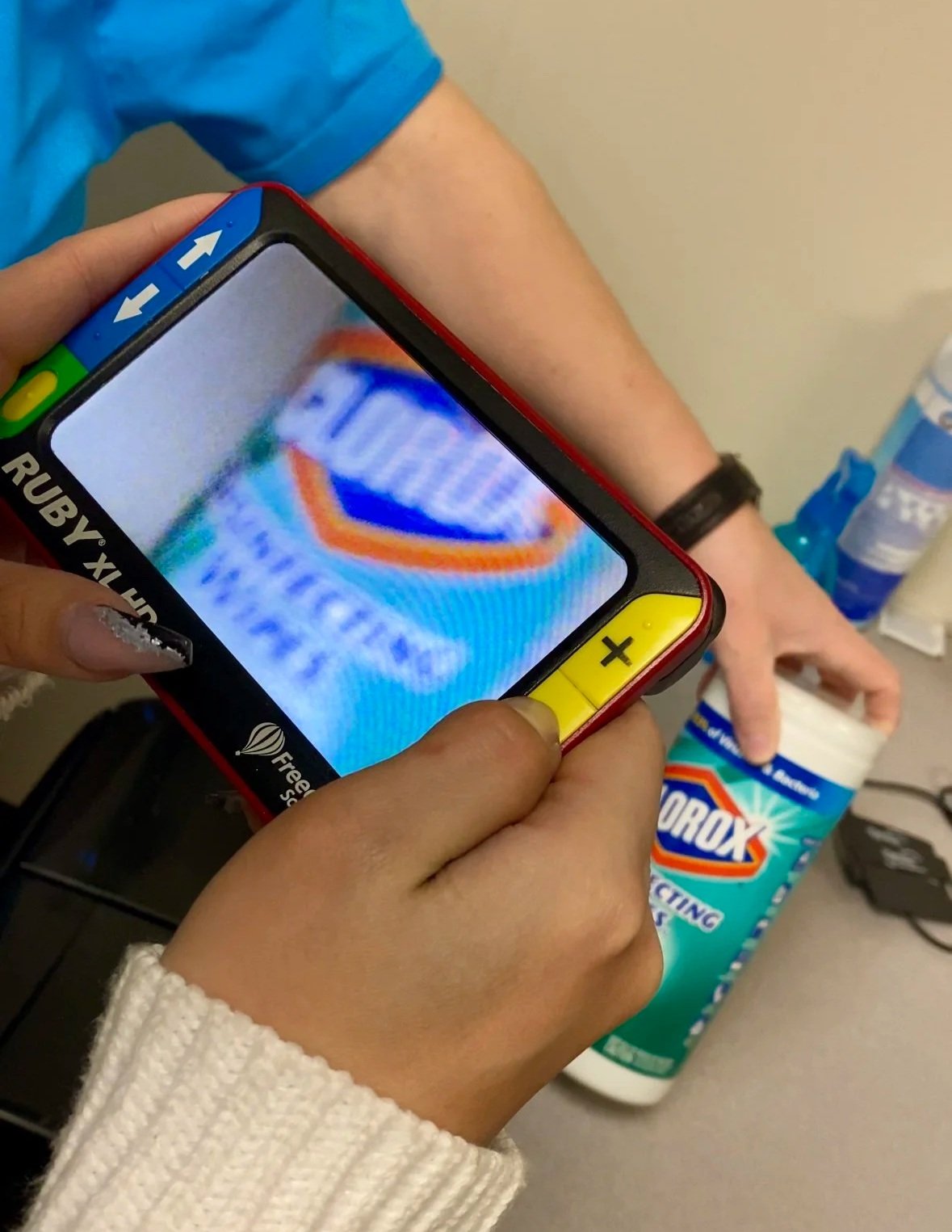
Handheld Video Magnifier
Portable magnifier up to 14x
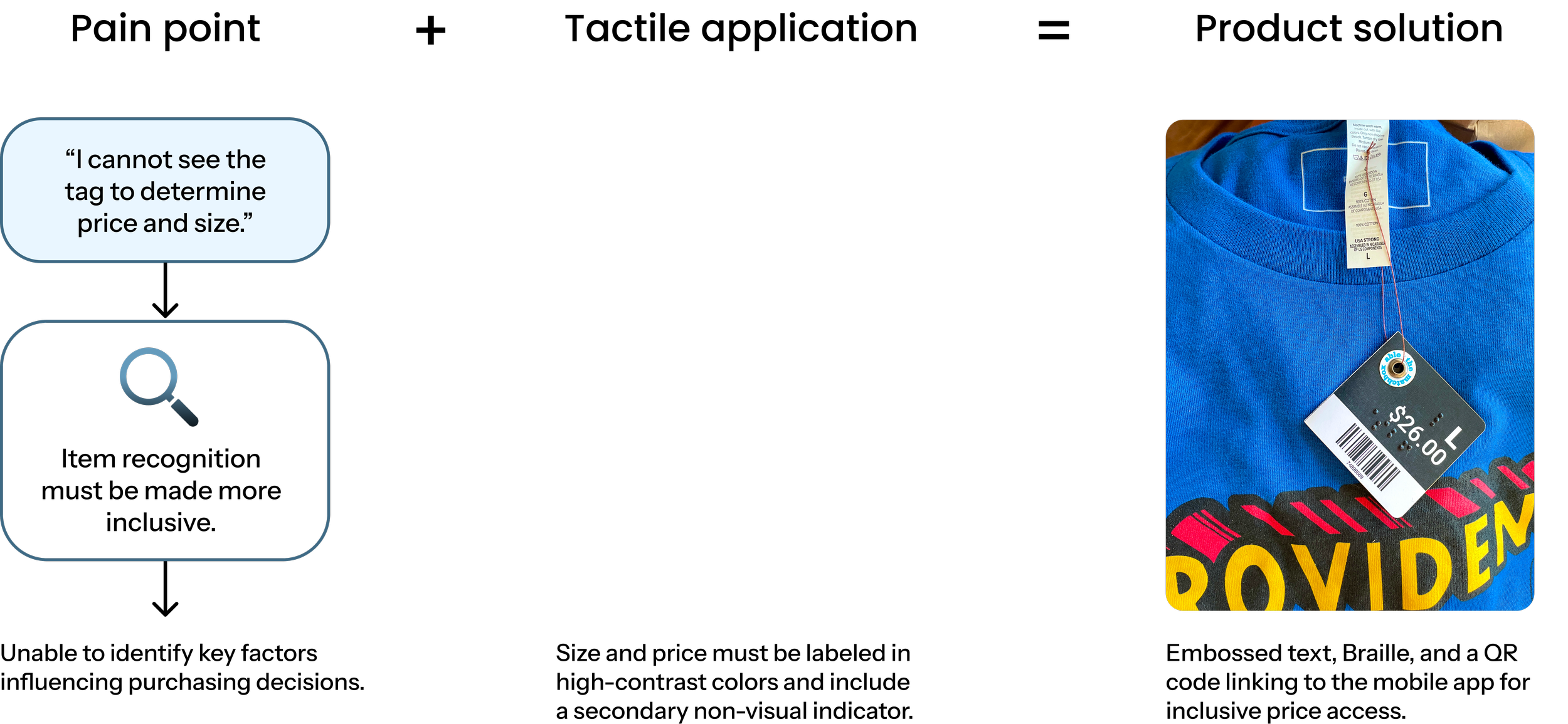
Project statement
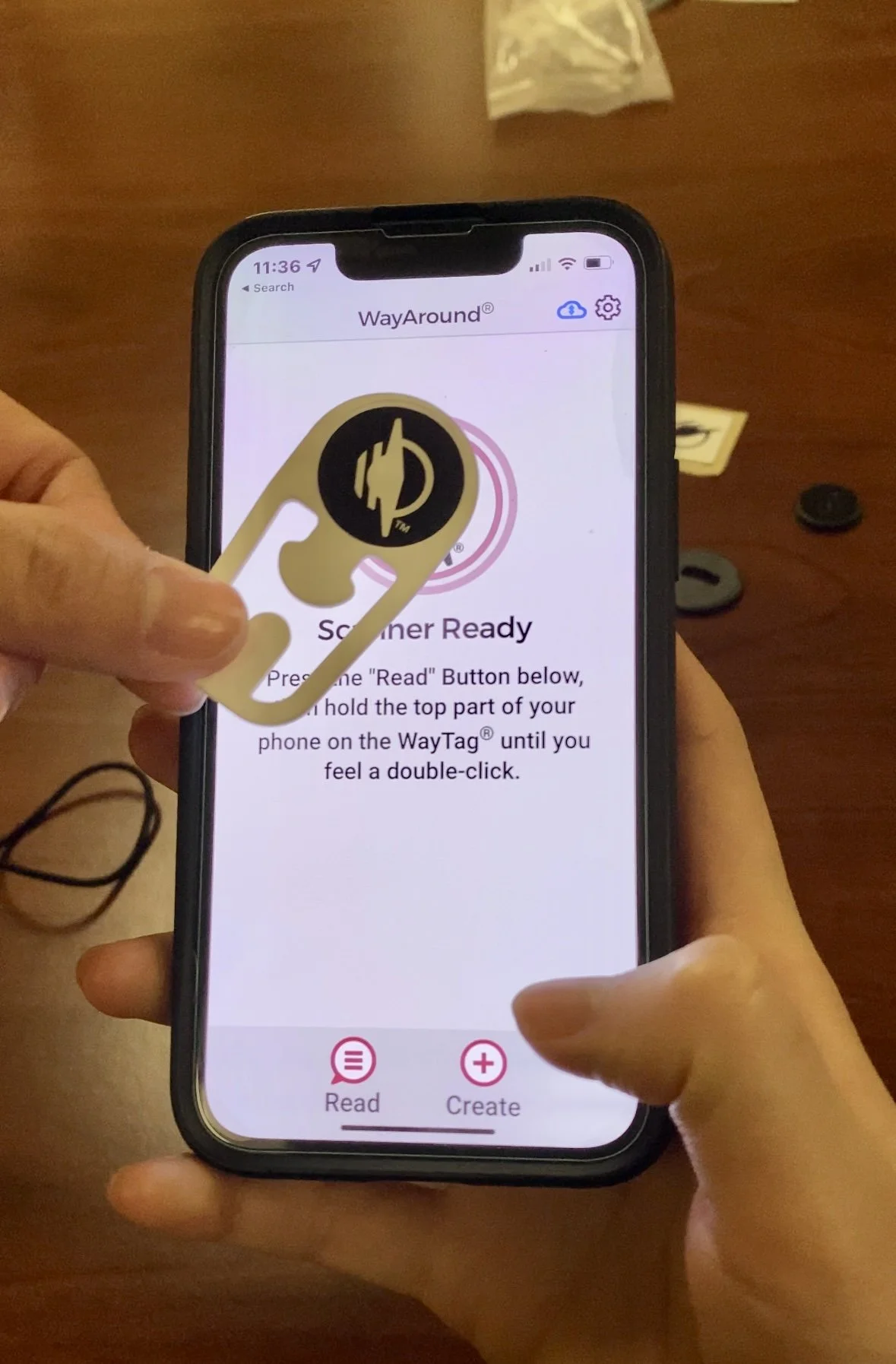
WayAround (Assistive technology)
Simple tag & scan app

On-site testing
Mobile App
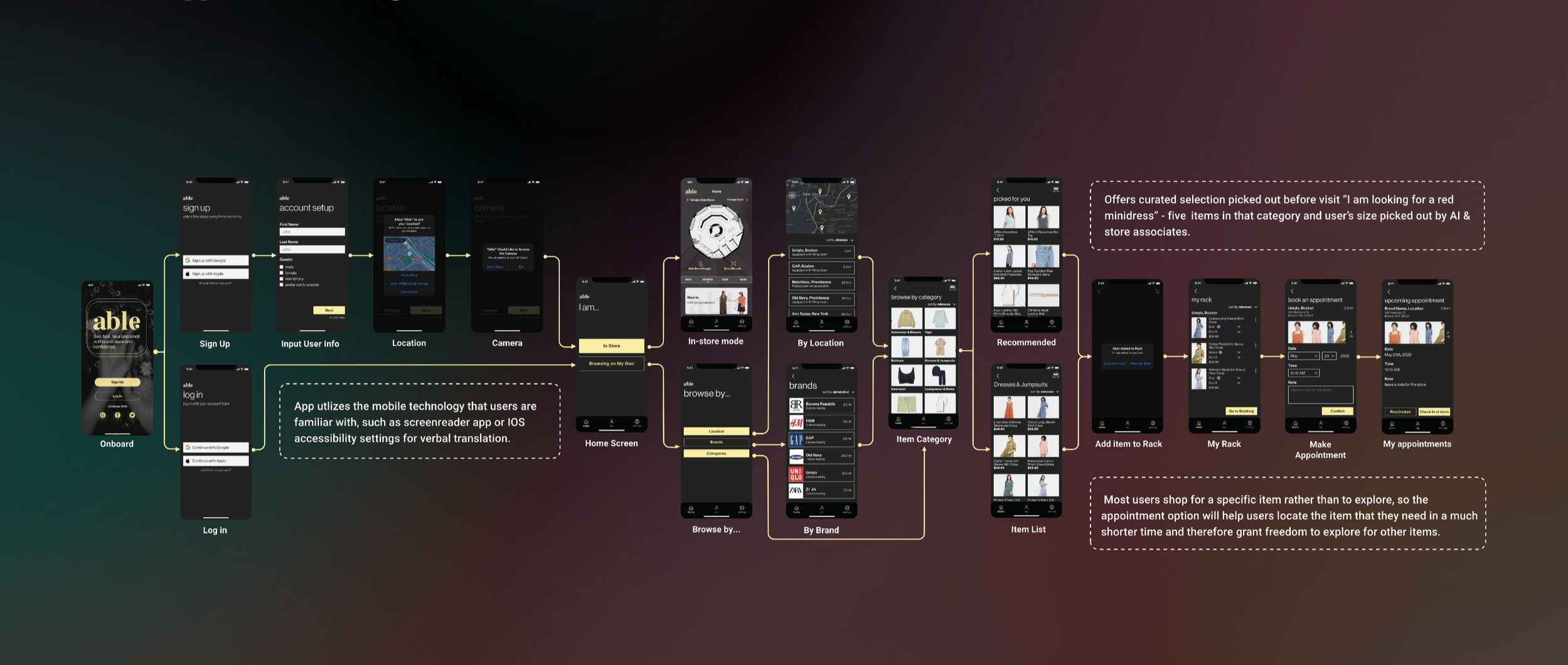
Shopping doesn’t always start the moment one walks into a store. It can be getting invited to an event, a new season coming up, or getting a bonus from work. The Able mobile app allows users to discover nearby accessible stores, browse items in advance personalized by user’s size, budget, style, and occasion, and pick out items to later try them on in the store along with other additional items by relevance and popularity.
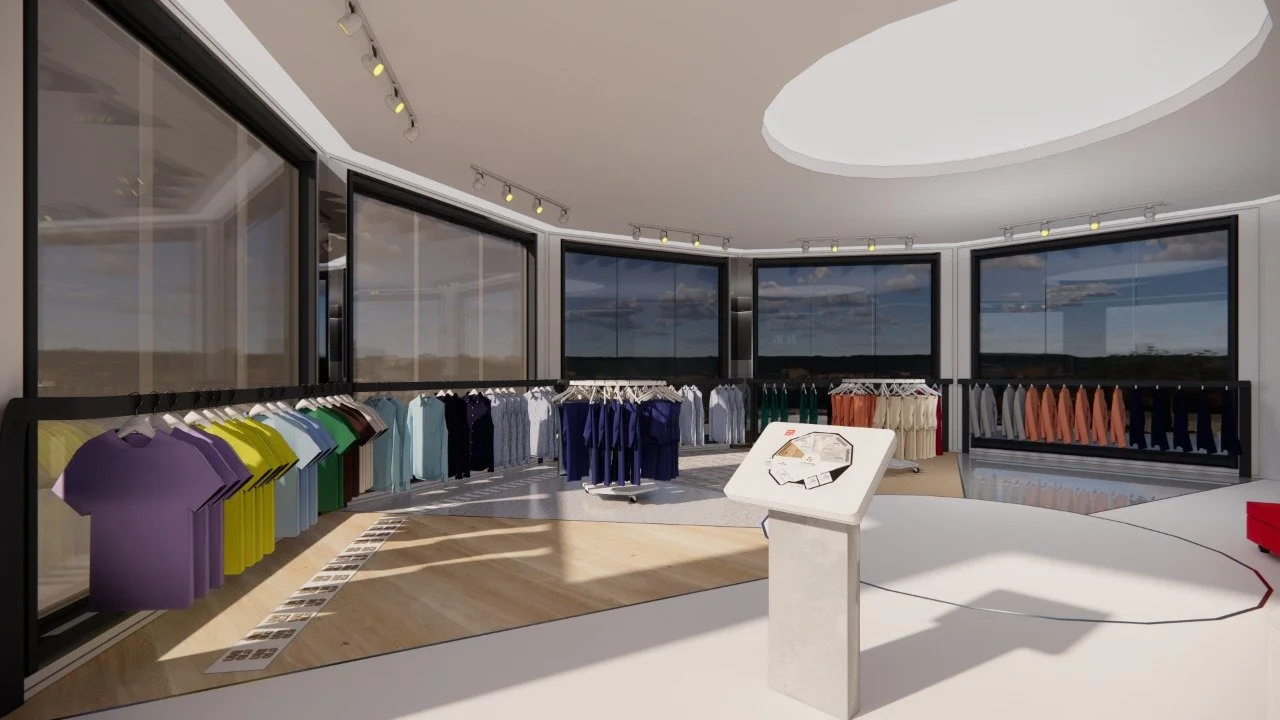
The app is also used in the store. The user can navigate around the store by sections to find an item they are looking for and scan the item to get a text/audio description.
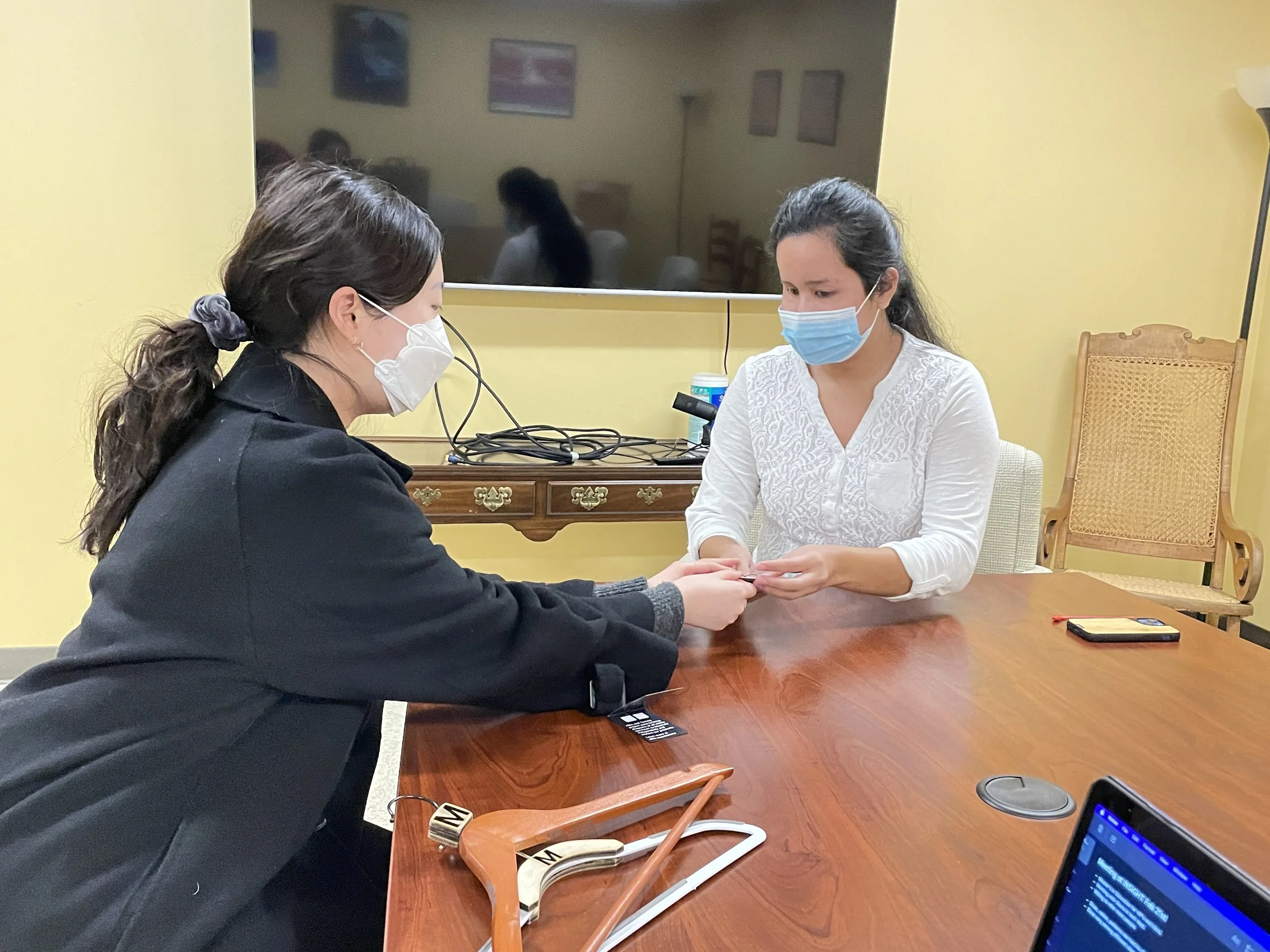
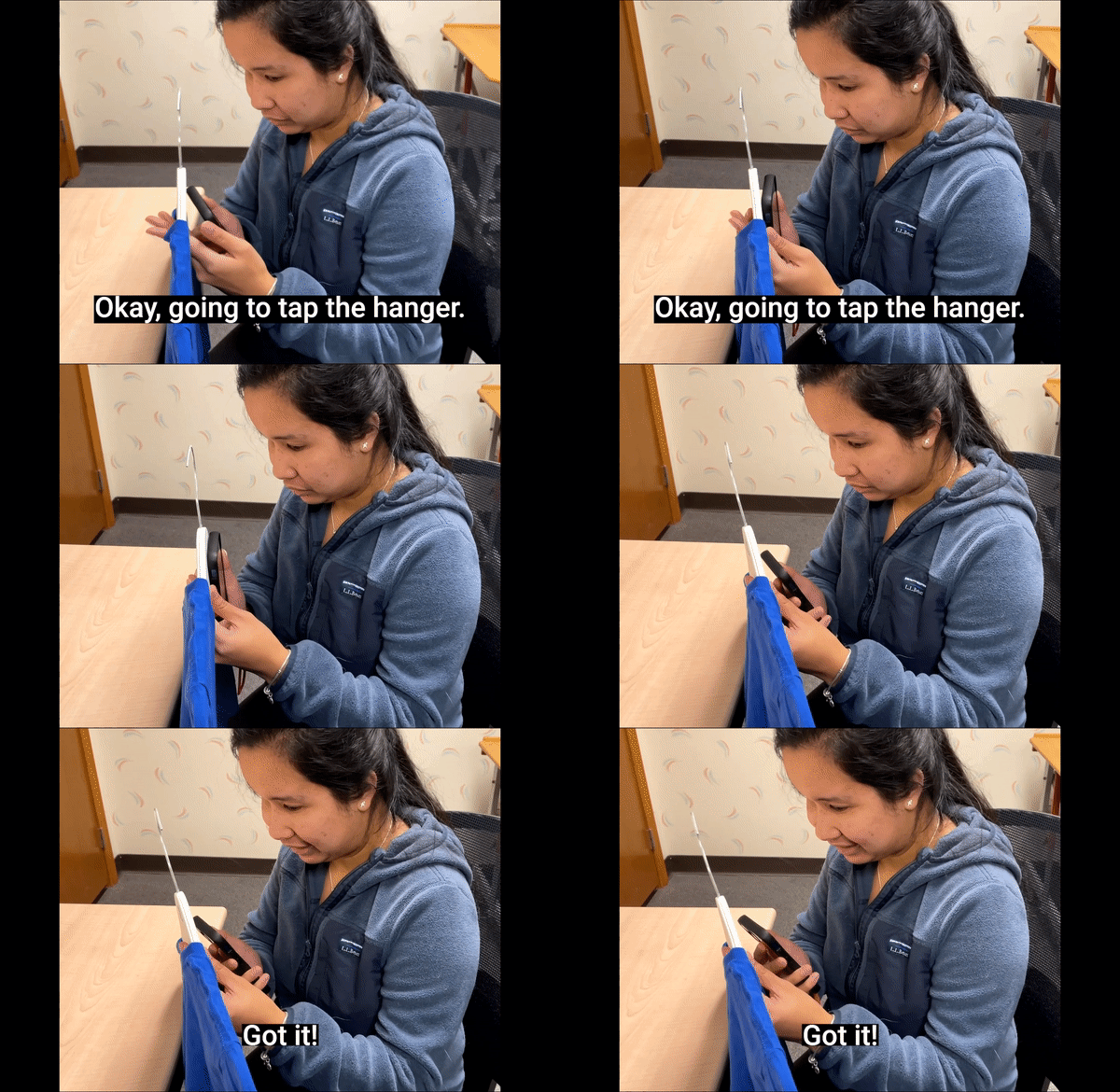
Prototype testing with Mary (blind since birth)

Tactile Tools
Braille and thick lined paper notes & hot surface protection gloves
Synthesizing insights to generate solutions

On-site testing
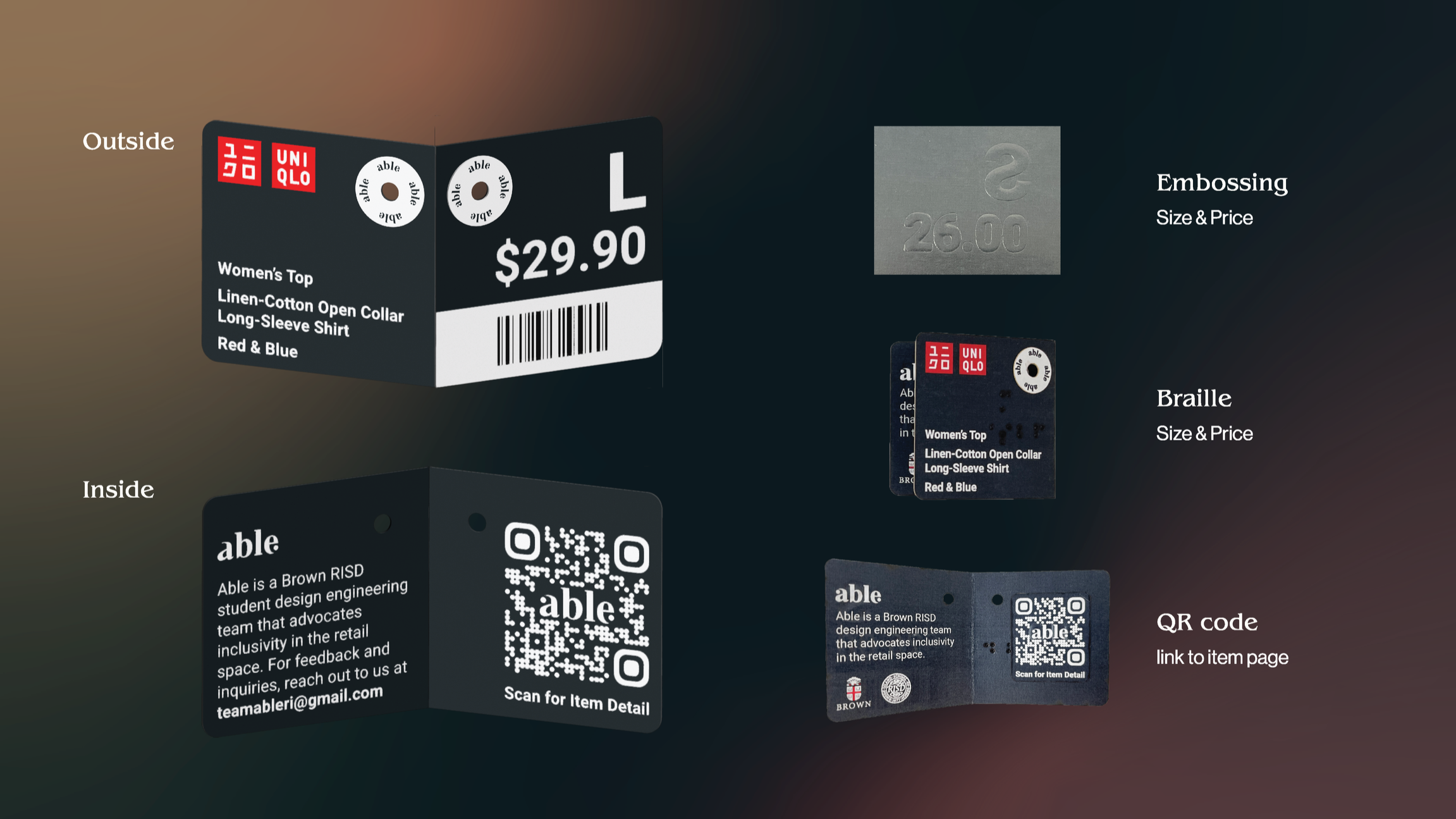

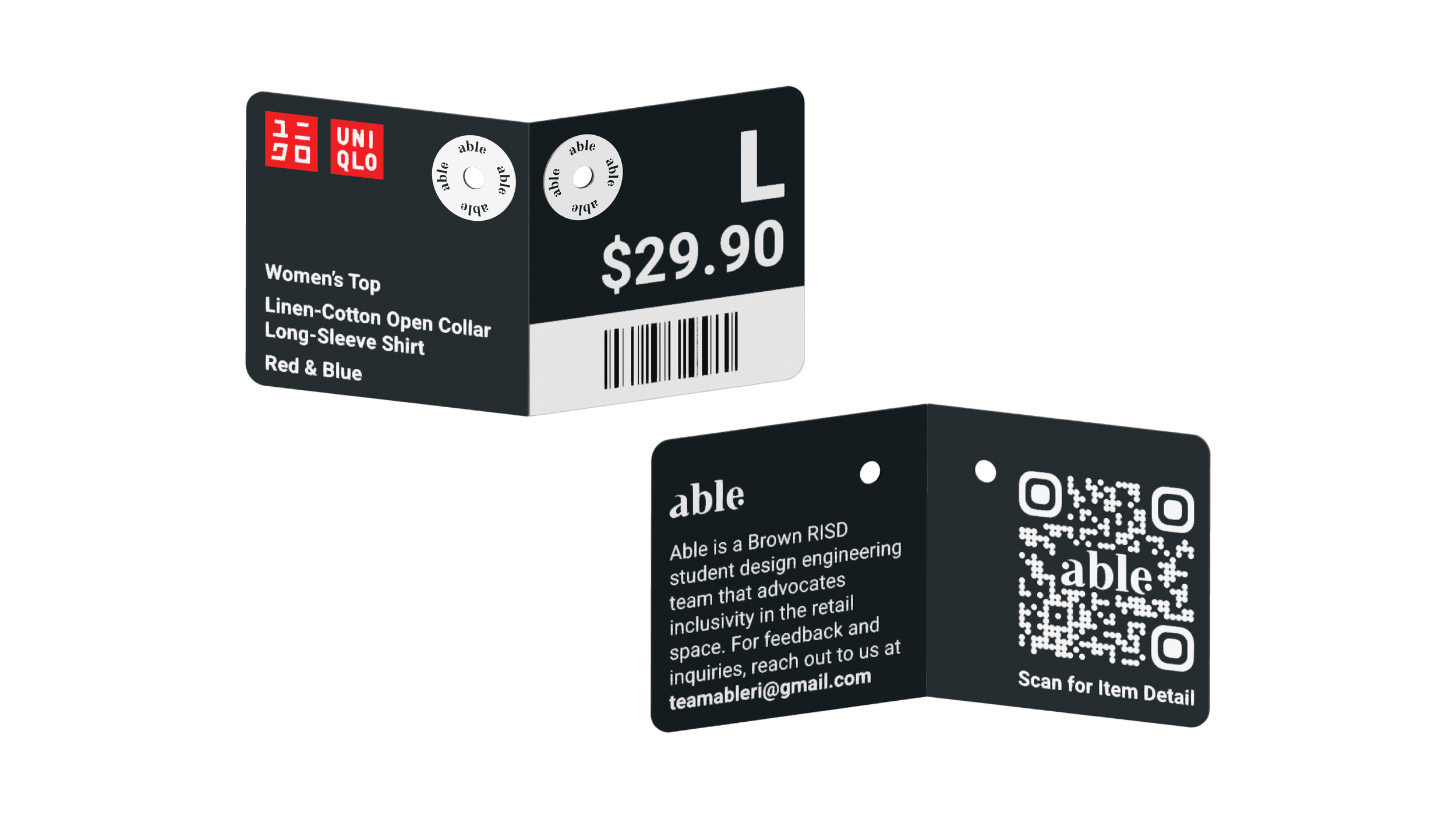
Tactile, multisensory hanger and price tag